
Mar 12, 2026
Living With Macromastia: Health Challenges and the Role of Breast Reduction
Macromastia is a medical condition characterized by excessively large breasts. While breast size varies naturally among individuals, macromastia goes beyond typical proportions and often creates physical discomfort. Many people with this condition experience daily challenges that affect mobility, posture, and overall well-being. The weight of enlarged breast tissue can place constant pressure on the upper body. Muscles, ligaments, and the spine work harder to support this extra load. Over time, the strain may lead to persistent pain and fatigue. Breast reduction surgery is frequently considered when symptoms interfere with normal life
The Physical Impact of Macromastia
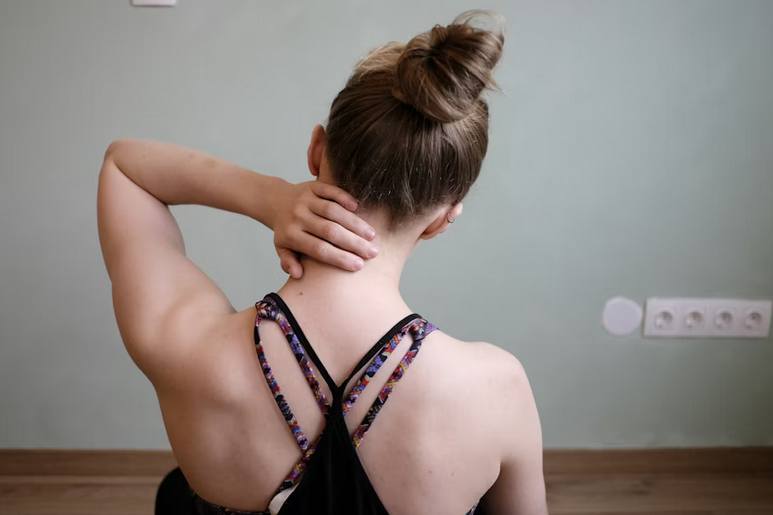
Macromastia affects the body in several ways, and in many cases, breast reduction greenwich becomes the only solution. The most noticeable issue is the weight carried on the chest. This weight shifts the body’s center of gravity forward. When this happens, the shoulders and upper back must compensate to maintain balance. Muscles remain under tension for long periods. This constant strain may lead to muscle soreness and stiffness. Many individuals with macromastia also develop grooves in their shoulders from bra straps. The straps attempt to support the weight of the breasts, but they often dig into the skin and create discomfort. The body may gradually adjust to these conditions. However, the ongoing stress on muscles and joints can increase physical fatigue throughout the day.
Skin Irritation and Hygiene Concerns
Another challenge linked to macromastia involves skin health. The underside of the breasts often traps heat and moisture. This environment may cause irritation or recurring rashes. Friction between the skin surfaces can worsen the problem. Sweat and limited airflow may contribute to redness and itching. These skin conditions can be uncomfortable and sometimes painful. In severe cases, infections may develop if the area remains moist for long periods.
Chronic Pain and Postural Changes
 One of the most common symptoms of macromastia is chronic pain. The neck, shoulders, and upper back are particularly affected. The extra weight pulls the upper body forward and disrupts normal posture. Poor posture may cause the spine to curve slightly. Over time, this can place pressure on surrounding muscles and ligaments. Individuals may experience headaches, stiffness, or tension that spreads across the shoulders. Daily activities can become more difficult. Standing for extended periods, exercising, or even sitting at a desk may increase discomfort.
Emotional and Lifestyle Effects
Macromastia not only affects the body. Emotional and social experiences may also be influenced by the condition. Some individuals feel self-conscious about their appearance or struggle to find comfortable clothing. Physical limitations may restrict participation in sports or exercise. High-impact activities often cause discomfort due to breast movement and weight. These restrictions may lead to frustration or reduced confidence. Individuals sometimes avoid certain activities or social situations because of physical discomfort. It is important to recognize that these experiences vary.
The Role of Breast Reduction Surgery
Breast reduction surgery offers a medical solution for many people living with macromastia. The procedure removes excess breast tissue, fat, and skin to create a more balanced breast size. Reducing breast weight helps relieve pressure on the neck, shoulders, and spine. Many patients report improvement in posture and reduced muscle strain after recovery. The surgery may also reduce skin irritation under the breasts. With less tissue and improved shape, airflow around the skin can increase, and friction may decrease. A consultation with a qualified surgeon allows patients to discuss goals and expectations.
Recovery and Long-Term Health Benefits

Recovery from breast reduction surgery typically involves a period of rest and gradual healing. Patients are advised to limit strenuous activity while tissues recover. During this time, the body adapts to the lighter chest weight. Many individuals notice improved posture and reduced strain on the upper body. Long-term benefits often include better mobility and increased comfort during exercise. Everyday movements such as walking, bending, or lifting may feel easier. Patients may also experience improvements in sleep quality and overall physical balance. The body no longer needs to compensate for the heavy forward weight.
Living with macromastia can create ongoing physical and emotional challenges. Excess breast weight places strain on muscles, affects posture, and may lead to chronic pain. Skin irritation and limited mobility are also common concerns. Breast reduction surgery offers a practical solution for many individuals seeking relief. By reducing breast size and weight, the procedure helps restore balance to the body and reduce pressure on the spine and surrounding muscles. With proper evaluation and care, patients often experience lasting improvements in comfort and daily function. Addressing macromastia through appropriate medical treatment can help support both physical health and overall well-being.
More Details