Hearing loss is often gradual, caused by aging, prolonged exposure to loud environments, or underlying medical conditions. When left unaddressed, diminished hearing can lead to increased strain on the auditory system, as the brain works harder to interpret incomplete or distorted sounds. This compensatory effort can exacerbate the perception of hearing difficulty and may contribute indirectly to further auditory degradation. Early intervention with hearing aids helps mitigate these effects by providing amplification, improving sound clarity, and supporting the natural function of the auditory system, thereby slowing the progression of hearing impairment.
Amplification and Auditory Support
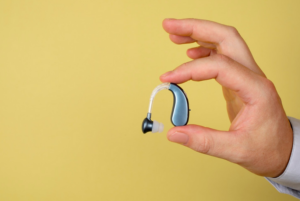 Hearing aids primarily amplify sounds to a level the user can detect more easily. This amplification reduces the need for the auditory system to compensate for lost frequencies, decreasing strain on the ears and the brain. By delivering sound in a controlled and balanced manner, hearing aids allow the auditory system to process information more effectively. This support not only enhances communication but also helps maintain the neural pathways responsible for hearing, reducing the likelihood of further functional decline due to under-stimulation of the auditory system.
Encouraging Consistent Use and Auditory Engagement
One indirect way hearing aids prevent further damage is by promoting consistent auditory engagement. Individuals who avoid sound-rich environments due to difficulty hearing may experience increased social isolation, leading to reduced stimulation of the auditory pathways. Hearing aids restore access to everyday sounds, conversations, and environmental cues, encouraging the user to remain actively engaged. Sustained auditory input helps preserve cognitive processing related to hearing and prevents the compounding effects of sensory deprivation, which can contribute to further functional loss.
Customization and Protection Features
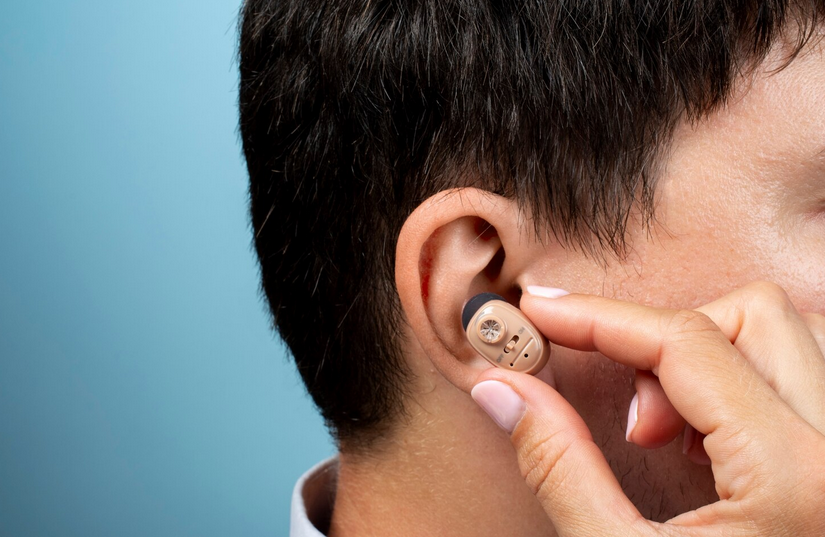
Modern hearing aids often include features designed to protect remaining hearing while improving perception. Many devices offer noise-reduction features, frequency-specific amplification, and feedback-reduction mechanisms. These technologies prevent exposure to excessively loud sounds that could cause additional damage, while still allowing the user to hear speech and environmental cues clearly. By delivering sound at safe levels and tailored to individual hearing profiles, hearing aids not only enhance clarity but also actively protect the ear from further stress or injury.
Supporting Long-Term Auditory Health
The role of hearing aids extends beyond immediate sound amplification; they support overall auditory health and quality of life. By reducing strain, maintaining neural pathways, and encouraging social and environmental interaction, these devices contribute to the long-term stability of hearing function. Regular use combined with professional monitoring allows audiologists to adjust settings in response to changes in hearing, ensuring ongoing protection and optimal performance. In this way, hearing aids function as both a corrective and preventative tool within comprehensive hearing care.
Hearing aids play a critical role in preventing further hearing damage by reducing auditory strain, encouraging consistent engagement with sound, and incorporating protective features tailored to individual needs. Beyond amplifying sounds, they support neural function, enhance communication, and help maintain overall auditory health. Early adoption and consistent use can slow the progression of hearing loss, ensuring that individuals retain functional hearing and a higher quality of life over time.